Industry Knowledge & Guides

Plush Toy Manufacturing Blog & Insights

Expert advice, design tips, and manufacturing insights from 30+ years in custom stuffed animal creation.

Design & Production Tips

From Concept to Retail Shelf

Discover how top global brands bring custom plush characters to life with quality & safety testing.

Plush Industry Trends

Innovations in Custom Plush Toys

Explore trends in eco-friendly fabrics, sensory therapy plushies, and custom brand giveaways.

0%

Choosing the China best Custom Mascot Plush Toys manufacturer requires more than comparing prices or browsing attractive product photos. A reliable partner must combine character development, fabric selection, sampling, quality control, and stable delivery. Grand View Research estimates that the global stuffed toy market reached approximately USD 11.9 billion in 2023, with continued growth expected through 2030. This expansion creates opportunities, but it also increases supplier differences.

The strongest manufacturers can turn a flat logo or mascot sketch into a soft, recognizable three-dimensional product. They should explain fabric weight, embroidery density, filling safety, seam strength, and washable construction in clear terms. The International Trade Centre highlights China’s importance in global toy manufacturing and export supply chains. However, factory scale alone proves little. Ask for production samples, inspection records, material declarations, and references from comparable projects. Small details matter. A crooked eye can change the mascot’s personality.

Safety compliance must remain central. Depending on the destination market, manufacturers may need to support testing related to EN 71, ASTM F963, CPSIA, or other applicable requirements. Reports from Intertek and SGS emphasize that testing should match the product design, materials, age grading, and sales region. No supplier is perfect. A polished sample can still hide inconsistent stitching during mass production. For that reason, this guide examines communication, prototype accuracy, quality systems, certifications, customization capacity, and total purchasing cost. The best partner is not always the cheapest. It is the manufacturer that makes risks visible and responds responsibly when something needs improvement.
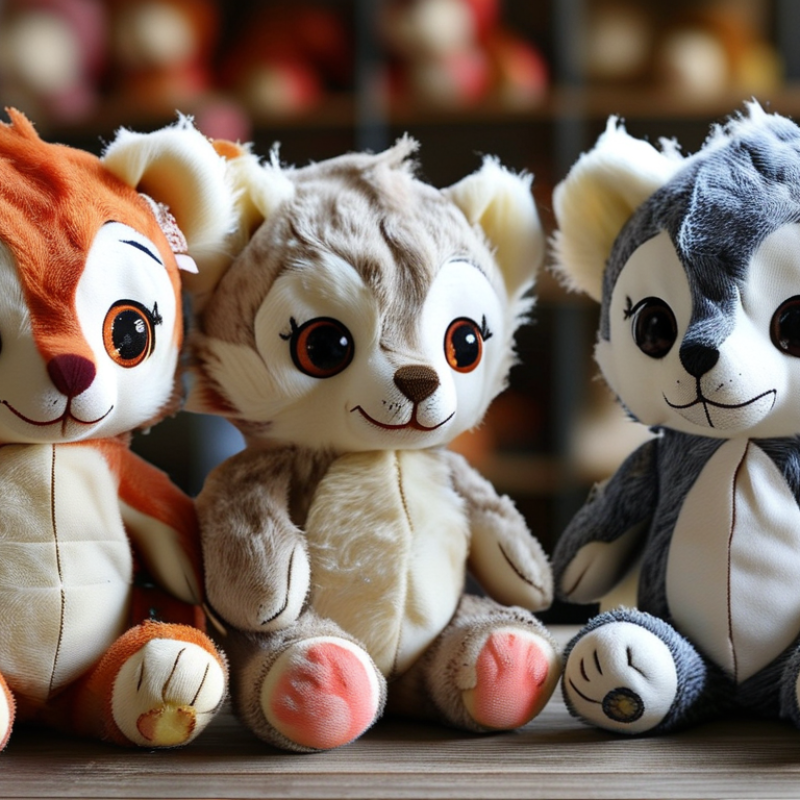
China Best Custom Mascot Plush Toys Manufacturer?

What Defines a Custom Mascot Plush Toy Manufacturer in China?

What Defines a Custom Mascot Plush Toy Manufacturer in China?

A capable custom mascot plush toy manufacturer turns a sketch into a safe, repeatable product. The process begins with reviewing artwork, mascot proportions, fabric choices, and target use. Experienced teams ask practical questions about size, softness, embroidery, filling, and packaging. Details matter. A mascot with oversized ears may need stronger stitching and careful balance.

Professional production depends on samples, not promises. A manufacturer should provide a physical prototype for checking color, shape, facial expression, and hand feel. Small changes often affect the entire appearance. For example, moving embroidered eyes by three millimeters can change the mascot’s personality. Material checks, needle inspections, seam testing, and final quantity checks also support consistent quality. Not every sample will be perfect.

Reliable communication is equally important. Clear measurement charts, revision records, production photos, and realistic schedules reduce avoidable mistakes. A trustworthy factory should explain limitations instead of agreeing to everything immediately. It should also maintain suitable workplace practices, material traceability, and documentation for applicable product safety requirements. These points matter when plush toys are used at events, in retail spaces, or by children.

In my experience, the strongest manufacturers combine design understanding with disciplined production control. They know when a cute detail may weaken durability. They also accept that the first idea may need refinement. That honesty can save time, materials, and unnecessary rework.

How China’s Mascot Plush Toy Design and Manufacturing Process Works

China Best Custom Mascot Plush Toys Manufacturer?

How China’s Mascot Plush Toy Design and Manufacturing Process Works

Choosing the best custom mascot plush toy manufacturer in China starts with a clear design brief. A useful brief includes character files, target size, fabric preferences, colors, safety requirements, and delivery dates. Experienced teams convert flat artwork into a workable pattern. They check proportions, stitch lines, embroidery areas, and the toy’s balance before cutting fabric. Small details matter. An oversized head may need internal support, while thin limbs can require stronger seams.

The design process usually moves from sketches to a digital model, then to a hand-made sample. At this stage, the client should inspect facial spacing, softness, filling density, and color under normal light. A first sample rarely feels perfect. That is useful. Honest revision notes prevent expensive changes during mass production. After approval, the factory prepares cutting templates, selects materials, and sets sewing and embroidery standards. Material lots should be checked because color and texture can vary slightly.

During manufacturing, operators assemble panels, add filling, close seams, and inspect each finished plush toy. Quality staff should check loose threads, uneven features, open seams, odor, stuffing gaps, and packaging damage. Measurements should be recorded, not guessed. Random inspections help reveal repeated defects before shipment. Compliance testing may also be required for the destination market, especially for children’s products. Clear approval records, sample retention, and traceable production batches make communication more reliable. Even skilled factories can miss a detail, so practical feedback remains essential.

Which Materials and Safety Standards Apply to Custom Plush Toys?

Which Materials and Safety Standards Apply to Custom Plush Toys?

A reliable custom plush toy starts with carefully selected materials. Polyester plush fabric is common because it feels soft, keeps color well, and tolerates repeated handling. Cotton may suit a natural appearance, but it can shrink after washing. Recycled polyester filling is another option. It should remain clean, resilient, and evenly distributed. Embroidery is usually safer than plastic details for toys aimed at young children. Loose parts need extra attention.

Safety requirements depend on the selling market and the child’s age. Common references include ASTM F963 in the United States, EN 71 in Europe, and ISO 8124 internationally. Testing may examine flammability, heavy metals, phthalates, seams, stuffing access, and small parts. Product labels should show age guidance, material information, batch details, and care instructions. A qualified laboratory should test production samples, not only an attractive prototype.

During factory checks, inspect stitching around ears, tails, and embroidered eyes. Pull testing can reveal weak seams before shipment. Wash testing also matters because fabric may shed fibers or lose shape. A responsible process is not flawless. Color matching can still vary slightly between fabric batches. That risk should be recorded, discussed, and controlled through approved samples. Clear inspection records make custom mascot plush toys safer and easier to trace.

How to Evaluate Quality, Customization, Pricing, and Production Capacity

China Best Custom Mascot Plush Toys Manufacturer?

Choosing a custom mascot plush manufacturer requires more than comparing quotations. Grand View Research estimated the global stuffed and plush toys market at about USD 9.2 billion in 2023. Its report also projected growth of nearly 7% annually through 2030. This demand increases pressure on factories. Buyers should inspect fabric density, embroidery accuracy, seam strength, stuffing recovery, and colorfastness. A reliable supplier provides material samples, pre-production prototypes, inspection records, and clear correction procedures.

The sample matters most.

Customization should be measured, not promised. Ask whether the factory can manage complex silhouettes, small facial details, recycled fabrics, woven labels, and multiple size ratios. Request a digital pattern, physical prototype, and at least one revision.

Pricing should show fabric, filling, accessories, packaging, sampling, tooling, and shipping separately. Very low prices often hide weaker fabric or rushed inspection.

Production capacity also needs evidence. Review monthly output, sewing-line staffing, equipment, peak-season lead times, and backup material sources. ISO 2859-1 sampling plans can support consistent quality checks, while applicable toy-safety testing should be confirmed before mass production.

A perfect prototype can still conceal factory bottlenecks. That is worth questioning.

Tips:

Compare three written quotations. Test one pre-production unit independently. Check seam pull strength and loose threads. Confirm the minimum order quantity, defect policy, payment stages, and delivery buffer. Ask for dated production photos, not only polished catalog images. Capacity claims can be optimistic. Reflect before signing.

What Should Buyers Know About Ordering Custom Mascot Plush Toys from China?

China Best Custom Mascot Plush Toys Manufacturer?

What Should Buyers Know About Ordering Custom Mascot Plush Toys from China?

Ordering custom mascot plush toys from China requires more than comparing factory prices. Begin with a precise product brief, including height, fabric, colors, stuffing, accessories, and packaging. Add clear artwork with measurements. Small details prevent expensive misunderstandings.

Request a physical sample before approving mass production. A first sample is rarely perfect. The face may look different from the drawing, or the fabric may feel too rough. Ask the manufacturer to record every revision. Check stitching, embroidery, seams, stuffing distribution, and color consistency under natural light. Experienced suppliers should also explain material sources, production steps, inspection methods, and applicable safety requirements for your target market.

Do not rely on promises alone. Review factory photos, sample quality, business documents, and recent production evidence. A written quotation should separate sampling, tooling, unit prices, packaging, freight, and inspection fees. Confirm minimum order quantities and payment stages. Build extra time into the schedule, especially before seasonal campaigns. Delays happen. A pre-shipment inspection can catch loose threads, incorrect labels, or damaged cartons before departure. Buyers sometimes focus heavily on appearance and overlook transport protection. That is an avoidable mistake. Keep communication organized through approved drawings, dated messages, and signed specifications. A dependable partnership grows from records, realistic deadlines, and honest responses when something needs correction.

FAQS

What does a capable custom mascot plush toy manufacturer provide?

It turns artwork into a safe, repeatable plush product. The team reviews proportions, fabric, size, stuffing, embroidery, and packaging.

Why is a physical sample important?

A sample reveals real color, shape, softness, facial expression, and balance. A drawing cannot show everything. The first sample may disappoint.

Which materials are commonly used for custom plush toys?

Polyester plush fabric offers softness and color stability. Cotton looks natural but may shrink. Recycled polyester filling should stay clean and evenly distributed.

How can manufacturers improve plush toy safety?

They inspect seams, stuffing access, loose parts, and embroidered details. Embroidery may suit younger children better than small plastic pieces.

Which safety requirements may apply to plush toys?

Requirements depend on the selling market and child’s age. Common references include ASTM F963, EN 71, and ISO 8124.

What should buyers include in a product brief?

Include height, fabric, colors, stuffing, accessories, packaging, and measurements. Clear drawings prevent costly misunderstandings.

How should buyers check production quality?

Review stitching around ears, tails, and eyes. Request production photos, inspection records, and a pre-shipment inspection.

What details should buyers confirm before ordering?

Confirm sample costs, unit prices, packaging, freight, inspection fees, minimum quantities, and payment stages. Written records matter.

How can buyers reduce delays and mistakes?

Use approved drawings, dated messages, and signed specifications. Add extra time before seasonal campaigns. Delays happen.

What limitations should a trustworthy manufacturer explain?

It should discuss material limits, color variation, weak design details, and realistic schedules. Agreeing to everything immediately can create rework.

Conclusion

Choosing the right China-based manufacturer for Custom Mascot Plush Toys requires more than comparing prices. A reliable supplier should offer complete design support, clear prototype approval procedures, flexible customization options, and stable production capacity. The process usually includes concept development, artwork review, sample making, material selection, stitching, stuffing, embroidery or printing, quality inspection, and packaging. Good communication at every stage helps ensure the final plush toy matches the intended appearance, size, colors, and functional requirements.

Buyers should also understand the materials and safety expectations involved in plush toy production. Soft fabrics, filling, threads, and decorative elements should be selected for durability, comfort, and suitability for the intended audience. Before placing an order, evaluate the manufacturer’s workmanship, sample quality, pricing structure, minimum order quantity, lead time, inspection procedures, and ability to manage repeat production. Clear specifications, written agreements, and pre-shipment quality checks can help reduce misunderstandings and support a smoother importing experience.

Charlotte Whitmore

Charlotte Whitmore

Charlotte Whitmore is a dedicated marketing professional with a strong understanding of product strategy, customer needs, and market trends. As a regular contributor to the company’s professional blog, she shares practical insights that help readers better understand the value, applications, and......