Industry Knowledge & Guides

Plush Toy Manufacturing Blog & Insights

Expert advice, design tips, and manufacturing insights from 30+ years in custom stuffed animal creation.

Design & Production Tips

From Concept to Retail Shelf

Discover how top global brands bring custom plush characters to life with quality & safety testing.

Plush Industry Trends

Innovations in Custom Plush Toys

Explore trends in eco-friendly fabrics, sensory therapy plushies, and custom brand giveaways.

0%

Plush Bear Custom T-Shirts are moving beyond simple promotional merchandise. They now combine tactile comfort, personalized graphics, and collectible storytelling. This shift deserves careful study, not just enthusiastic marketing language.

Grand View Research identifies plush toys as a growing global category, supported by gifting, character licensing, and online retail. The Toy Association also reported that U.S. toy sales reached approximately $28 billion in 2023, despite an overall market decline. These figures suggest a useful opportunity for customized apparel suppliers. However, plush toys and custom clothing are measured differently. Their data should not be treated as interchangeable.

A practical supplier must examine fabric weight, print durability, sizing, packaging, and production consistency. A bear-shaped shirt may look charming online but fail after two washes. That detail matters. Cotton blends, water-based inks, and child-safe finishing methods can improve customer trust. Compliance documentation remains essential for products connected with children.

Dr. Amanda Gummer, founder of the Good Play Guide, has said, “Play is not a luxury; it is a necessity.” Her observation helps explain why emotional design matters in this market. Plush Bear Custom T-Shirts can support play, identity, and gift-giving when the design feels personal rather than mass-produced. Still, personalization can increase costs, slow fulfillment, and create more quality-control risks. That uncomfortable trade-off deserves attention.

This guide will examine supplier selection, customization methods, minimum order quantities, material choices, pricing, and delivery reliability. It will also question attractive claims that lack clear testing or independent evidence.
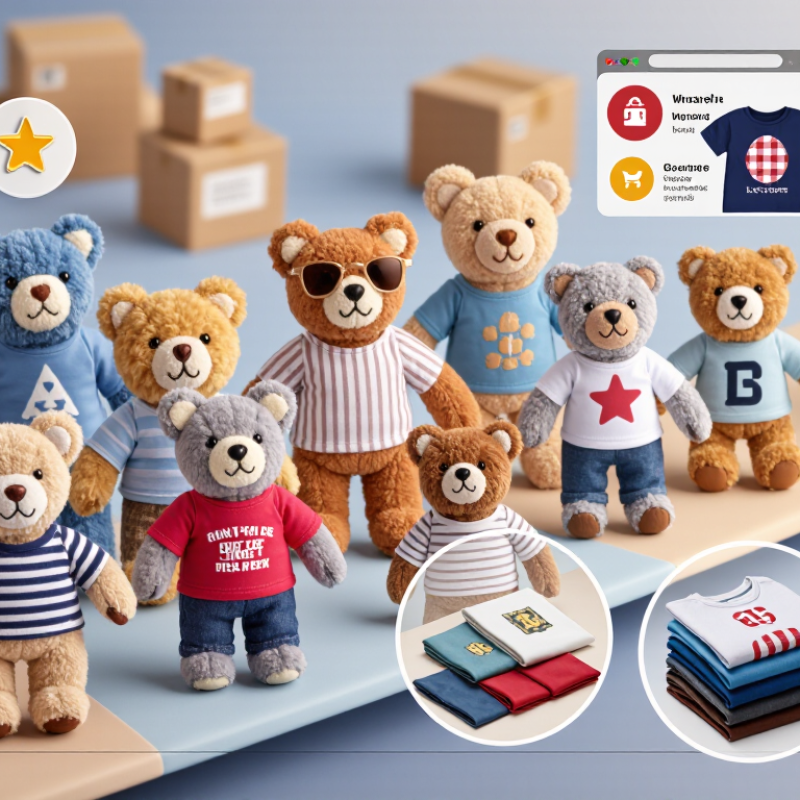
China Top Plush Bear Custom T Shirts Supplier?

What Is a China-Based Custom Plush Bear T-Shirt Supplier?

A China-based custom plush bear T-shirt supplier develops and produces shirts with personalized bear designs or soft plush bear details. Services may include artwork adjustment, fabric selection, sample making, printing, embroidery, and packaging. The supplier usually coordinates these steps through one production team.

In practical sourcing, buyers should request material specifications, size charts, color references, and sample photos. A reliable supplier should explain cotton content, printing methods, stitching quality, and production timelines clearly. Ask whether the plush attachment is sewn securely and tested after washing. Small details matter. A loose thread can damage the product’s appearance.

Experience helps, but it is not proof of quality. One supplier may show attractive samples yet communicate poorly during revisions. I would compare sample workmanship, written quotations, inspection procedures, and response speed. Certifications and test reports should be checked against the actual materials, not accepted blindly. Clear records also reduce misunderstandings about quantities, shipping terms, and acceptable defects.

Tips: Request one physical sample. Test washing and seam strength. Confirm artwork ownership in writing. Allow extra time for revisions. Avoid choosing only by price.

How to Define Your Custom Plush Bear T-Shirt Requirements

China Top Plush Bear Custom T-Shirts Supplier?

Before contacting a supplier, define the bear, shirt, and delivery conditions in measurable terms. Grand View Research valued the global custom T-shirt printing market at about USD 4.3 billion in 2022, with strong projected growth through 2030. That growth creates more choices, but also more inconsistent quotations. Do not write “premium quality” alone. Specify bear height, fabric composition, shirt size, print area, thread color, attachment method, and acceptable measurement tolerance.

Start with a simple product sheet. State whether the plush bear needs removable clothing or a permanently attached T-shirt. Give exact dimensions, such as a 20-centimeter bear and a 10-centimeter chest panel. Request fabric weight, shrinkage results, colorfastness testing, and a pre-production sample.

Textile Exchange’s Materials Market Report shows polyester remains a major fiber in global textile production, so ask whether the shirt uses polyester, cotton, or a blend. The choice affects softness, printing, drying time, and care instructions.

Small details often decide the real cost. Include packaging size, carton quantity, labeling needs, sample approval steps, and shipping terms.

Ask for inspection photos before mass production. A supplier should explain sampling time and replacement procedures clearly.

My practical warning is simple: the first sample may still disappoint. Plush fabric can distort artwork, and a logo that looks sharp on paper may appear blurred on curved fabric. Recheck every measurement before approval. According to ISO 3758 care-label guidance, washing instructions should match the tested material, not guesswork.

How Chinese Suppliers Design and Produce Bear-Themed T-Shirts

Chinese suppliers often develop bear-themed T-shirts from a clear visual brief. The brief may include bear size, facial expression, fabric color, print position, and target age group. Designers sketch several options before preparing digital artwork for sampling. A soft bear graphic usually works well with warm colors, rounded lines, and simple facial details.

After design approval, the factory selects fabric by weight, stretch, and surface feel. Cotton jersey around 180–220 GSM is common for everyday shirts. For a plush appearance, suppliers may combine screen printing with small embroidery or raised ink. They test colorfastness, shrinkage, seam strength, and print adhesion before bulk production. The first sample is checked by hand. Sometimes the bear’s eyes look too large, or the fabric feels rougher than expected.

Production teams then cut fabric with digital patterns and inspect panels before sewing. Operators check collar alignment, stitch density, thread trimming, and print placement. A reliable supplier records measurements from each production batch, rather than trusting one approved sample. Packaging must also protect the printed surface from folding marks and moisture. Minor errors still happen. A slightly uneven stitch can pass a fast inspection, so experienced buyers request random checks and detailed measurement photos.

How to Evaluate Supplier Quality, Pricing, and Production Capacity

China Top Plush Bear Custom T Shirts Supplier?

Evaluating a supplier requires more than comparing the lowest quotation. Request physical samples showing fabric weight, print sharpness, seam strength, collar recovery, and plush attachment. A reliable factory should provide test records, material specifications, inspection procedures, and clear tolerances. Check whether the sample matches the approved artwork after washing. Small differences can become expensive.

Pricing should include fabric, printing, sewing, packaging, tooling, inspection, transport, and possible revision costs. Ask for a detailed cost sheet, not only a unit price. The WTO reported that global merchandise trade volume declined by 1.2% in 2023, creating pressure on freight planning and supplier margins. Prices may look attractive, yet delayed materials can damage the real budget. I would compare at least three quotations, although this method is not perfect.

Production capacity needs evidence. Ask for monthly output, current utilization, critical equipment, worker allocation, and a realistic sample-to-shipment schedule. Textile Exchange’s Materials Market Report 2024 estimated global fiber production reached 124 million tonnes in 2023 and may reach 160 million tonnes by 2030. That growth increases material choice, but also complicates traceability. Request batch records and fiber documentation. Visit the facility when possible, or use an independent audit. A video tour helps, but it can hide workflow problems. Confirm whether production is handled internally or subcontracted, especially for plush details and final quality inspection.

How to Order Custom Plush Bear T-Shirts and Manage Shipping

China Top Plush Bear Custom T-Shirts Supplier?

How to Order Custom Plush Bear T-Shirts and Manage Shipping

Ordering custom plush bear T-shirts requires more than sending a logo and color request. Share clear artwork, shirt sizes, fabric weight, bear placement, stitching details, and expected quantity. Ask the supplier for a digital mockup before production. A physical sample is safer for checking softness, print alignment, and color accuracy. Small details matter.

Request a written quotation that separates product costs, sampling fees, packaging, and freight. Confirm the production schedule in writing. A practical order usually includes sample approval, bulk production, inspection, and final payment. Keep communication records. They can prevent expensive misunderstandings.

Shipping needs equal attention. Confirm the delivery address, carton dimensions, gross weight, export documents, and agreed shipping terms. Air freight suits urgent, small orders, while sea freight usually reduces costs for larger cartons. Ask for tracking information after dispatch. One common mistake is trusting estimated delivery dates too early. Customs delays, holidays, and incorrect documents can change the schedule. I would also inspect random cartons before shipment, although this step is easy to overlook. A slightly longer preparation period often protects the final delivery.

FAQS

What does a China-based custom plush bear T-shirt supplier provide?

The supplier can adjust artwork, select fabric, create samples, print designs, add plush bears, and arrange packaging. A single team may coordinate production.

What information should buyers request before ordering?

Request fabric content, size charts, color references, sample photos, stitching details, and production timelines. Check every detail.

How can buyers evaluate product quality?

Order one physical sample first. Check fabric weight, print sharpness, collar recovery, seam strength, and plush attachment. Wash the sample. A loose thread may affect appearance.

How should buyers compare supplier prices?

Request a detailed cost sheet covering fabric, printing, sewing, packaging, inspection, transport, and revisions. Do not compare unit prices alone. The cheapest quote may create later costs.

How can buyers verify production capacity?

Ask about monthly output, current workload, equipment, worker allocation, and sample-to-shipment timing. Request batch records and fiber documents. A video tour helps, but it may hide workflow problems.

What should be included in a custom order?

Provide clear artwork, shirt sizes, fabric weight, bear placement, stitching requirements, and expected quantity. Request a digital mockup. A physical sample remains safer.

How should buyers manage production and inspection?

Confirm sample approval, bulk production, inspection, and final payment in writing. Keep revision records and approved artwork files. Small misunderstandings become expensive.

Which shipping details require confirmation?

Confirm the delivery address, carton size, gross weight, export documents, tracking, and shipping terms. Air freight suits urgent small orders. Sea freight often costs less for larger cartons.

What common mistakes should buyers avoid?

Avoid choosing only by price or trusting estimated delivery dates too early. Customs delays, holidays, and incorrect documents may change schedules. I might overlook random carton checks. That is a weakness.

Conclusion

China-based custom plush bear T-shirt suppliers help businesses create soft, playful, and personalized apparel featuring bear-inspired artwork, prints, or embroidery. The process begins by defining key requirements such as T-shirt fabric, size range, colors, bear design, decoration method, packaging, order quantity, and delivery schedule. Clear specifications and reference images can help suppliers understand the desired style and produce accurate samples.

When evaluating suppliers, buyers should compare material quality, workmanship, communication, pricing, minimum order quantities, production capacity, and quality-control procedures. A reliable supplier should provide samples, confirm artwork details, explain production timelines, and offer transparent shipping options. By reviewing samples and approving a complete production plan before placing the order, customers can reduce mistakes and manage costs more effectively. With careful planning and supplier communication, Plush Bear Custom T-Shirts can be produced consistently for promotional events, retail collections, group activities, or other creative apparel projects.

Ethan Caldwell

Ethan Caldwell

Ethan Caldwell is a dedicated marketing professional and a trusted voice behind the company’s expert blog. With a strong understanding of the company’s products, services, and industry landscape, he transforms complex information into clear, practical, and engaging content for customers, partners,......