Expert advice, design tips, and manufacturing insights from 30+ years in custom stuffed animal creation.
Discover how top global brands bring custom plush characters to life with quality & safety testing.
Explore trends in eco-friendly fabrics, sensory therapy plushies, and custom brand giveaways.
For global buyers, Gift With Purchase Plush Premiums can turn an ordinary transaction into a keepsake customers want to carry home. Strong programs begin with practical choices, not just a cute sketch. A plush should feel soft, sit neatly on a shelf, and hold its shape after handling. Stitching, embroidered details, fabric pile, and color consistency all influence perceived value. Small details matter.
Choosing a premium means matching its size, character, and packaging to the campaign and intended audience. A compact animal may suit a beauty counter, while a larger mascot could work better for a family-focused promotion. Buyers should request a physical sample and check seams, texture, labeling, and packed dimensions before approving production. Photos help, but they can hide flaws. They are not enough.
Global sourcing adds coordination work. Confirm realistic lead times, carton details, artwork approval steps, and destination-market requirements with qualified suppliers and relevant specialists. Do not assume one specification fits every market. A reviewed sample cannot guarantee every finished unit will be identical, so clear tolerances and quality checks matter. There is no perfect plush for every campaign. The useful question is whether the item feels thoughtful, durable, and worth keeping at its price point. Some uncertainty remains; that is a reason to test carefully, not to overpromise. This guide explores selection, supplier evaluation, customization, and quality planning for buyers developing reliable plush promotions.
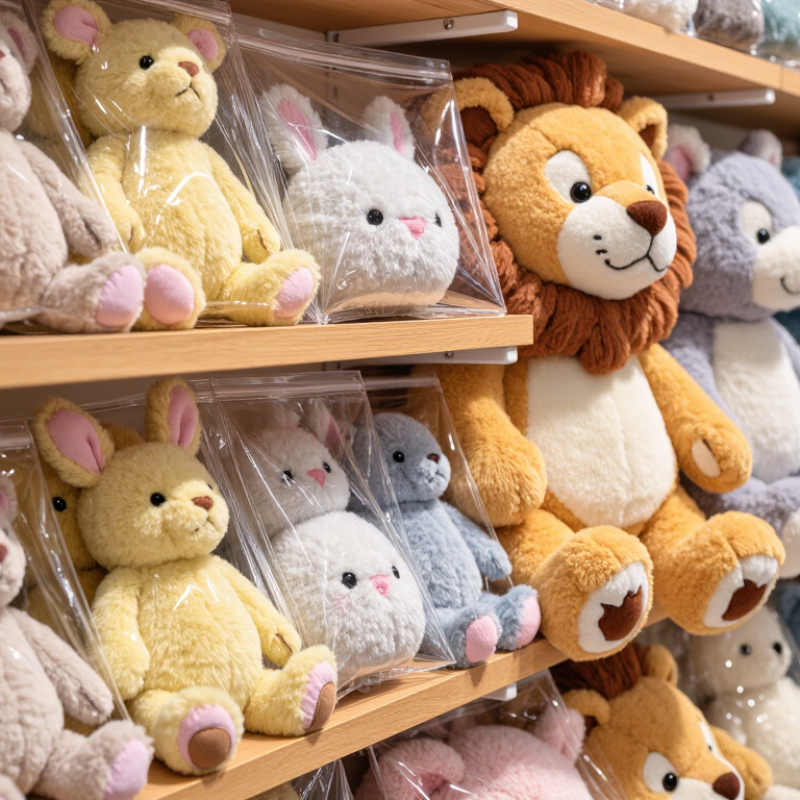
A plush premium is more than a soft toy added to a purchase. Its feel, size, and finish shape how shoppers judge the offer. A sample should be handled, not only reviewed in photographs. Check whether the fabric feels pleasant, the seams sit flat, and the stuffing holds its shape after gentle compression. Small details matter.
For global gift-with-purchase programs, buyers need clear specifications before production. Record dimensions, fabric type, filling, colors, packaging, and acceptable stitching tolerances. Ask suppliers for pre-production samples and inspect finished units from more than one carton. Look for loose threads, uneven embroidery, color transfer, and crushed packaging. Confirm destination-market labeling and testing needs with qualified compliance teams; requirements can vary. This step takes time.
A plush designed for one market may not feel right in another. Color preferences, character styles, and preferred toy sizes can differ, so local feedback is useful before placing a large order. One trade-off is easy to overlook: a very soft fabric can photograph beautifully but may show wear sooner during handling. Compare appearance with durability, and test packaging for long journeys. Freight volume can also change the real cost of a premium, especially when each toy needs individual wrapping. A modest design adjustment may help, but it should be checked with real samples rather than assumed to work.
Understanding Plush Premiums in Gift-With-Purchase Programs
These are example specification targets for planning an assortment, not market averages. Smaller plush toys can suit entry-level offers, while larger sizes can support higher purchase thresholds. Confirm final dimensions, packaging, and applicable toy-safety requirements for each destination market.
Gift-with-purchase plush premiums often come as mini animals, soft mascots, or small bag charms. Each format suits a different use. A palm-sized animal fits neatly beside a product, while a hanging charm needs a secure loop and reinforced stitching. Small matters. Buyers should check the finished size, not just the sample photo; a plush can look generous on screen and feel tiny in hand.
Most pieces use polyester plush fabric with polyester fiberfill, though fabric length and density change the feel. Short pile is easier to keep tidy, while longer pile looks fluffy but may show matting after handling. Embroidered eyes and noses avoid hard components and can give a clean finish. Seams should feel even, with no loose threads or thin spots. A soft hand is not enough. Rub the fabric with a pale cloth and gently test the seams; these simple checks can reveal issues early. For global orders, confirm care instructions, packaging details, and applicable safety documentation for each destination. Real samples vary. One sample may hide a weak loop or uneven stuffing, so inspect more than one production piece when possible.
For a promotional campaign, a plush gift should feel relevant before it feels impressive. Buyers can start with the audience, occasion, and expected use. A small desk companion may suit a conference, while a soft travel-sized toy may work better for family events. Fit matters.
Material and construction shape that experience. Ask for a sample, then check the fabric by touch, inspect seams, and test how the item holds its shape after gentle handling. Confirm age guidance and applicable product-safety requirements for each intended market. A neat sample is useful, but production consistency matters more. Request clear specifications for dimensions, materials, packaging, and quality checks.
Cost is only one part of the decision. Buyers should compare minimum order quantities, production timelines, shipping volume, and packaging needs against the campaign plan. Color matching can be tricky across materials, and we sometimes overfocus on appearance. That deserves a second look. A charming design may still be impractical if it arrives late or takes too much storage space. Ask suppliers how they handle sample approval, defect checks, and changes between sample and bulk production. A simple review sheet can keep those details visible.
Top Gift With Purchase Plush Premiums for Global Buyers
Global sourcing for plush premiums works best when product design and shipping plans are discussed together. A soft toy that looks simple may include several fabrics, embroidered details, filling, and small accessories. Ask suppliers for material specifications, production samples, and clear records for each component. One sample is not enough.
Safety checks should match the intended age group and destination market. Buyers can request applicable test reports, review warnings and labels, and confirm that production materials match the approved sample. Keep dated records. Requirements differ by market, so verify them with qualified local testing or compliance professionals before placing a large order. A polished report cannot fix a changed fabric or loose stitching.
Distribution needs the same attention. Set realistic lead times for sampling, testing, production, and freight, then allow room for delays at ports or during seasonal peaks. Plush toys compress, but cartons still need protection from moisture and crushing. Agree on carton dimensions, packing counts, and inspection points before shipment. Small details matter. A tidy spreadsheet can still miss a last-minute change in filling, and that is a useful reminder to recheck specifications before goods leave the factory.
| Market or Sourcing Stage | Buyer Requirements to Check | Plush-Specific Quality and Safety Controls | Distribution and Documentation |
|---|---|---|---|
| United States | For products marketed as toys for children, assess applicable requirements under the Consumer Product Safety Improvement Act (CPSIA), including lead limits, applicable phthalate restrictions, and tracking-label obligations. ASTM F963 requirements apply to toys subject to the federal toy-safety rules. | Confirm the age grading and intended use; test accessible components and materials as applicable. Check seams, eyes, noses, attachments, and stuffing for foreseeable detachment or access hazards. | Confirm importer-of-record responsibilities and required test documentation before shipment. Verify country-of-origin marking and any applicable textile or care-label obligations for the finished product. |
| European Union / EEA | Assess toy classification and conformity obligations under the applicable EU toy-safety framework. Relevant checks commonly include applicable EN 71 requirements and chemical restrictions under REACH. | Review mechanical and physical hazards, flammability, and relevant chemical risks for the specific design and age group. Keep the product, packaging, and intended-age information consistent. | Confirm the responsible economic operator, technical documentation, conformity assessment, and required product markings before placing the product on the market. Check destination-country language needs for warnings and instructions. |
| United Kingdom | Check the toy-safety requirements in force for the relevant UK market and route to market. Applicable designated standards and conformity-marking rules can depend on current legislation and product circumstances. | Use a documented risk assessment covering small parts, seam strength, accessible filling, cords or accessories, and age-related warnings. Validate the final production version, not only a development sample. | Confirm the UK importer or responsible-party details, labeling, technical records, and accepted conformity route before dispatch. Check separate requirements for Great Britain and Northern Ireland where relevant. |
| Canada | Assess the Canada Consumer Product Safety Act and applicable Toys Regulations, including relevant mechanical, flammability, and chemical requirements for the product. | Review the toy’s construction and intended age range against applicable requirements. Check that attachments remain secure after foreseeable handling and that packaging does not create an additional hazard. | Plan for required records and incident-reporting responsibilities. Confirm packaging and safety information meet applicable Canadian requirements, including language obligations where they apply. |
| Australia | Check applicable Australian consumer-product rules. Toys intended for children up to and including 36 months are subject to a mandatory safety standard; assess whether the product falls within its scope. | Pay particular attention to small parts, detachable features, and access to filling for products intended for young children. Assess relevant AS/NZS ISO 8124 requirements where applicable. | Verify importer obligations, product records, and any required warnings or labeling before distribution. Confirm that the product description and age grading match the tested design. |
| Global Sourcing Controls | Specify the intended markets, age grading, materials, dimensions, colorways, packaging, and applicable test requirements in the purchase specification before production. | Approve a sealed reference sample; set measurable tolerances for dimensions, weight, stitching, color, and accessory placement. Use risk-based inspections for incoming materials, production, and finished goods. | Collect material declarations, test reports, production-lot traceability, carton details, and shipment documents. Align carton labels, packing lists, and purchase-order descriptions to reduce receiving and customs discrepancies. |
Buyer note: Requirements depend on product design, intended age, claims, and destination market. Confirm current rules and testing scope with a qualified compliance professional before production and shipment.
Plush gift-with-purchase campaigns should be judged by more than how many toys leave the warehouse. Soft fabric, neat stitching, and a small size that fits easily into a shopping bag can improve perceived value.
Plush appeal can also vary by age, climate, and local gifting habits.
Track redemption rate, incremental basket value, and cost per additional order in each market. Compare similar stores or customer groups, with and without the premium, over the same campaign period.
Keep an eye on stockouts, delivery delays, and damaged items; a popular design can still underperform if it arrives late.
Short post-purchase surveys can reveal whether buyers wanted the plush or simply wanted the discount. Be cautious: survey answers are imperfect, and sales may rise for reasons unrelated to the gift.
Review results by market, not only as one global average.
Palm-sized animals fit beside products, while bag charms need secure loops and reinforced stitching. Small details matter.
Polyester plush fabric and polyester fiberfill are common. Short pile is easier to keep tidy; longer pile looks fluffier but may mat with handling.
Check the finished size, even seams, loose threads, thin spots, and stuffing. Rub the fabric with a pale cloth and gently test the seams. One sample can hide a weak loop.
Ask for material specifications, production samples, and records for each component. Confirm that production materials match the approved sample.
Match checks to the intended age group and destination. Review applicable reports, warnings, and labels with qualified local professionals. Requirements vary by market.
Set realistic timelines for sampling, testing, production, and freight. Confirm carton dimensions, packing counts, and inspection points, and protect cartons from moisture and crushing.
Track redemption rate, additional basket value, and cost per additional order. Compare similar groups over the same period, and review results by market.
No. Late delivery, stockouts, or damaged items can weaken results. Survey answers are imperfect, too, so a sales lift may have other causes.
Gift With Purchase Plush Premiums add a soft, memorable touch to promotional campaigns, giving customers a useful keepsake alongside a purchase. Options range from small keychain companions and desk-sized characters to larger cuddly toys, made with materials such as plush fabrics and soft filling. Features like embroidered details, varied textures, practical attachments, and distinctive shapes can help a gift feel appealing while keeping comfort and durability in mind.
Choosing the right plush premium starts with understanding the audience, campaign purpose, budget, and product quantity. Global buyers should also consider material documentation, age suitability, applicable safety requirements, production consistency, packaging, shipping schedules, and distribution needs across different markets. After launch, campaign performance can be assessed through customer feedback, redemption rates, repeat purchases, and engagement. These insights help buyers refine future selections and balance perceived value with quality, practicality, and reliable delivery.