Corporate Promotional Plush Toys are becoming more than soft giveaways at conferences and company events. They can turn a logo into a friendly, memorable character. A small plush bear on a reception desk feels different from another printed pen. Its fabric, stitching, facial expression, and packaging all influence how people remember a brand.
Bob Thacker, a respected promotional-products executive and former OfficeMax leader, once said, “Promotional products are the only advertising medium that people thank you for.” This idea explains why plush items can create stronger emotional responses. However, appreciation is not automatic. A poorly finished toy may look cheap, while an oversized mascot may become inconvenient. The best Corporate Promotional Plush Toys match the audience, campaign purpose, and distribution setting.
This article explores the plush formats companies use most often. These include custom mascots, animal toys, branded keychain plushies, seasonal characters, and industry-themed designs. It also considers practical details, such as washable fabrics, secure stitching, embroidered logos, and age-appropriate construction. Safety and quality should guide every purchasing decision, especially when children may receive the products. Cute is not enough.
Some choices depend on taste. A penguin may suit a winter campaign, but it could feel disconnected from a financial brand. A simple character may perform better than a detailed one, although that is not guaranteed. We will examine these trade-offs carefully. The goal is not to praise every plush trend. It is to identify designs that feel useful, recognizable, and credible long after the event ends.
What Are Corporate Promotional Plush Toys?
What Are Corporate Promotional Plush Toys?
Corporate promotional plush toys are soft, branded products used to represent a company, campaign, event, or workplace message. They often carry an embroidered logo, printed tag, themed clothing, or a small product feature. Unlike ordinary toys, they are designed for communication and repeated exposure. A mascot plush can sit on a child’s shelf, an employee’s desk, or a visitor’s travel bag.
Their value comes from physical experience. People can touch them, photograph them, and keep them for years. The Advertising Specialty Institute’s 2023 Ad Impressions Study found that 85% of consumers could recall an advertiser shown on a promotional product. The same report recorded thousands of monthly impressions for useful promotional items. Plush toys are less practical than bags, but they can create stronger emotional memories. That difference matters.
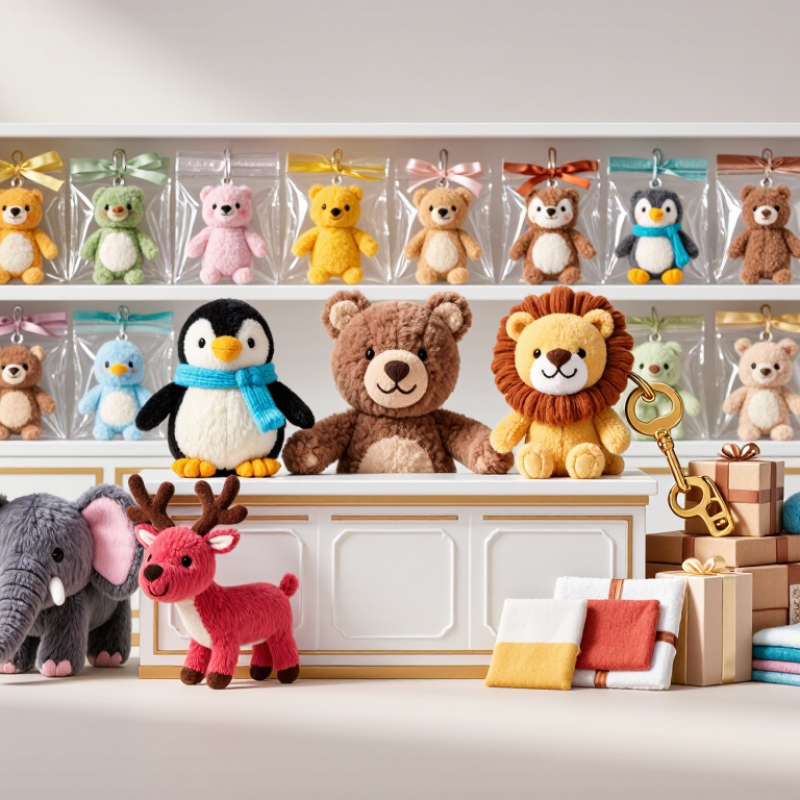
Popular corporate plush types include animal mascots, miniature character figures, seasonal toys, and occupation-themed designs. Small plush keychains suit conferences because they fit into pockets. Larger desk toys work better in offices and reception areas. I have seen simple facial details attract more attention than crowded logos. Still, plush is not automatically effective. Poor stitching, loose accessories, or unclear branding can make the item feel cheap. Responsible product teams should check fabric quality, age suitability, labeling, and safety documentation. PPAI industry guidance also emphasizes product compliance and truthful marketing. A cute shape helps, but careful manufacturing builds trust.
FAQS
They are soft promotional products representing a company, campaign, event, or workplace message. They may include embroidered logos, printed tags, themed clothing, or small product features. People can keep them on shelves, desks, or travel bags. The object stays visible.
Plush toys create physical and emotional connections through touch, photographs, and repeated exposure. One advertising study found that 85% of consumers recalled advertisers on promotional products. Plush toys may create stronger memories than ordinary practical items. Still, memory is not guaranteed.
Popular options include animal mascots, miniature characters, seasonal figures, and occupation-themed designs. Small plush keychains fit pockets and conference bags. Larger desk toys suit offices and reception areas. Simple faces often attract more attention than crowded logos.
Shape, color, texture, and facial details can express a company’s character. Rounded forms may feel friendly, while geometric details may suggest precision. Approved colors should remain clear under different lighting conditions. The design should communicate beyond the logo.
Designers should test comfort, stitching, fabric appearance, eye attachment, stuffing, and dimensions. They should inspect the toy from a customer’s hand level. Digital artwork can look perfect, but tiny details may disappear during manufacturing. Less detail sometimes works better.
Compact mascot keychains are suitable because visitors can carry them easily. They fit pockets, sample bags, and small storage spaces. Secure stitching matters because the toy may be handled repeatedly. Small can be useful.
Larger animals with soft textures, bright colors, and friendly expressions often suit family activities. Avoid loose accessories when young children may handle the products. Use washable fabrics and securely attached details. Cute is not enough.
Teams should approve physical samples before mass production. They should check color, seams, stuffing density, packaging, labels, and age guidance. Suppliers should provide reliable material and safety documentation. A weak seam can damage trust.
Yes. Staff members and event visitors can reveal awkward sizes, weak seams, or poor colors. Photographs may expose problems that are invisible indoors. Prototype testing can feel slow, but it prevents disappointing gifts. I would not skip it.
Conclusion
Corporate Promotional Plush Toys are soft, memorable marketing items designed to represent a company, campaign, product, or message in a friendly and approachable way. Popular choices include animal characters, mascots, themed figures, mini pillows, keychain plushies, and seasonal designs. Their appeal comes from combining practical visibility with emotional connection, making them suitable for trade shows, community events, employee appreciation programs, product launches, educational activities, and family-focused promotions.
Custom design plays an important role in expressing a company’s identity through colors, shapes, clothing, facial features, logos, and packaging. Different audiences may prefer different styles: children often enjoy bright and playful characters, while adults may value compact, useful, or finely detailed items. When selecting promotional plush toys, companies should consider their target audience, event setting, budget, production quantity, material quality, safety expectations, size, durability, and delivery schedule. A well-chosen design can strengthen brand recognition, encourage positive interaction, and create a lasting reminder of the company.