Strategic B2B Sourcing Guide: China Toy Figurines & Mascot Manufacturing Ecosystem
1. Industry Overview: China’s Strategic Position in Toy Figurine Manufacturing
The global toy and collectible market has undergone a dramatic transformation over the past decade. Driven by the surge in licensed intellectual property (IP), corporate mascot branding, sensory plush innovations, and designer blind-box figures, international procurement teams demand higher engineering precision, stricter material safety compliance, and robust supply chain resilience. China remains the undisputed global hub for custom toy figurine production, manufacturing over 75% of the world's retail toys and promotional collectibles.
As an established OEM/ODM leader with over three decades of operating heritage under The Beverly Hills Teddy Bear Company framework, our operational network bridges Western engineering management with China’s deep industrial clusters in Dongguan, Shenzhen, Chenghai, and Yangzhou. Navigating this ecosystem requires a granular understanding of polymer chemistry, mold design, plush sculpting, and international quality management standards.
🧬
Advanced Material Engineering
From eco-friendly phthalate-free PVC and food-grade ABS to high-density EVA foam cores and GRS-certified recycled plush fabrics, we match raw polymer selection precisely to structural durability and safety requirements.
⚙️
Precision Tooling & Toolmaking
Utilizing 3D SLA/SLS rapid prototyping alongside high-precision CNC steel molds, our engineering teams ensure sub-millimeter tolerances for complex interlocking components and anatomical fidelity.
🛡️
Zero-Defect Safety Protocols
Every batch undergoes stringent third-party laboratory verification (SGS, BV, TUV) covering mechanical pull tests, heavy metal migration, flammability, and sharp edge diagnostics prior to export dispatch.
2. Technical Material Matrix for B2B Procurement Decisions
Selecting the appropriate material substrate is the foundational decision in toy figurine manufacturing. It directly dictates initial tooling costs, per-unit economics, tactile feel, and regulatory testing pathways. Below is an authoritative technical breakdown used by our procurement engineers when defining product specifications:
| Material Substrate | Primary Applications | Tooling Cost & Lead Time | Tactile & Structural Properties | Compliance Target |
|---|---|---|---|---|
| ATBC-PVC (Non-Phthalate) | Blind-box figures, anime collectibles, mini figurines | Moderate ($3,000–$8,000) / 25–35 Days | Semi-rigid, high detail retention, smooth surface paintability | EN71-3, ASTM F963, REACH Annex XVII |
| ABS (Acrylonitrile Butadiene Styrene) | Articulated action figures, mechanical toy parts, base plates | High ($6,000–$15,000) / 35–45 Days | Rigid, high impact resistance, dimensional stability | CPSIA, EU Toy Safety Directive 2009/48/EC |
| Rotocast Vinyl | Hollow toy figurines, oversized designer art toys, money banks | Low-Moderate ($2,500–$5,000) / 20–30 Days | Lightweight, squeeze-flexible, durable hollow construction | ASTM F963 Section 4.3.5 (Heavy Elements) |
| Polyresin / Cast Resin | Limited-edition statues, high-end display prototypes | Low Silicone Tooling ($500–$1,500) / 10–15 Days | Heavyweight, premium hand-feel, brittle if dropped, hand-painted | Prop 65, EN71 Part 1 & 2 |
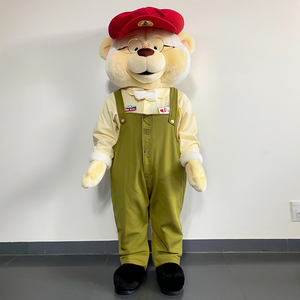
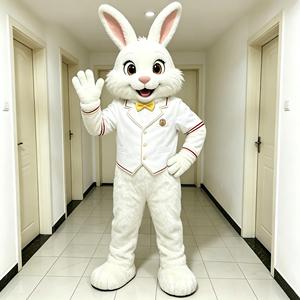
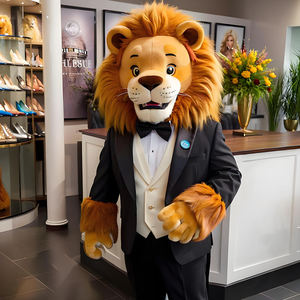
| Plush & High-Density Foam | Mascot costumes, oversized plushies, sensory squeeze toys | Low Fabric Patterning ($300–$800) / 7–14 Days | Soft, huggable, wearable, high ventilation for performance costumes | ISO 8124, EN71 Flammability (Part 2) |
3. End-to-End Manufacturing Workflow: From Sketch to Global Delivery
Achieving retail perfection requires a disciplined, multi-stage production protocol. At CustomPlush.com, our proven workflow minimizes risk, eliminates unexpected tooling revisions, and ensures complete cost transparency at every milestone.
Stage A: Engineering & 3D Modeling
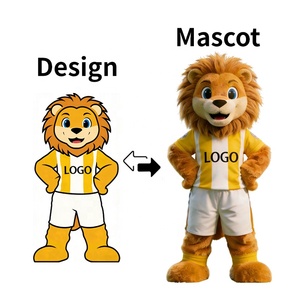
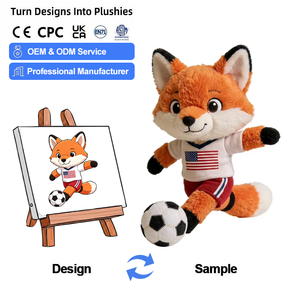
Our process begins with your 2D concept drawings, vector files, or physical reference photos. Our digital sculptors utilize ZBrush and CAD software to create fully realized 3D models. We incorporate technical considerations such as part parting lines, draft angles for injection molding, wall thickness consistency, and internal skeletal armatures early in the design cycle.
Stage B: Physical Master Prototyping
Once the digital file is approved, we execute high-resolution 3D printing (SLA resin) to produce a physical master sample. This prototype is hand-sanded, primed, and hand-painted by our master colorists to establish the exact Pantone matching specs, surface finish (matte, satin, or gloss), and decora requirements.
Stage C: Steel Mold Tooling & Rotocasting
Upon master sample approval, production molds are fabricated using premium steel or copper alloys. For vinyl figurines, electroformed copper molds are utilized for rotocasting. For rigid plastic figurines, hardened steel injection molds are precision-machined using multi-axis CNC units to guarantee longevity across hundreds of thousands of cycles.
Stage D: Mass Assembly, Decorating & Quality Control
Mass production involves specialized decorating techniques, including multi-color pad printing, automated spray painting with custom masks, water-transfer printing, and hand detailing. Final assembly takes place in clean-room environments followed by 100% inline quality inspections and AQL 2.5 final audits before packaging.
The P.R.I.C.E. Manufacturing Philosophy
Developed across three decades of manufacturing excellence, our operational ethos guides every project from startup initial concept to Fortune 500 global rollout:
P
Product
Creating market-ready products engineered to maximize sell-through and brand equity.
R
Reputation
Total operational transparency, strict IP protection, and unwavering corporate integrity.
I
Innovation
Pioneering eco-resins, smart NFC integrations, and hybrid plush-figurine designs.
C
Collaboration
Working as an extended engineering arm for corporate procurement & creative teams.
E
Excellence
Flawless compliance, AQL 2.5 defect controls, and on-time global supply logistics.
4. Future Sourcing Trends: What B2B Buyers Must Prepare For (2025–2030)
The toy manufacturing sector is experiencing rapid technological and environmental shifts. Modern enterprise buyers must align with suppliers capable of staying ahead of global regulatory changes and emerging consumer behaviors.
🌱 1. Sustainability & Eco-Friendly Materials
With global mandates like the EU Single-Use Plastics Directive and corporate ESG commitments, the industry is transitioning toward bio-based PVC, PLA (Polylactic Acid) resins, and recycled polyester plush fabrics (GRS Certified). Facilities capable of auditing raw material origin will hold a decisive competitive advantage.
📲 2. Phygital Integration & Smart Collectibles
The boundary between physical figurines and digital media is dissolving. Leading exporters now embed sub-miniature NFC (Near Field Communication) chips inside vinyl figurines and plush mascots. This allows consumers to scan their physical product with a smartphone to unlock digital certificates of authenticity, mobile app characters, or exclusive digital content.
📦 3. Blind-Box Collectible Craze & Custom Packaging Solutions
Unboxing experiences drive massive organic social media reach. Exporters must offer total packaging integration—from anti-tamper foil bags and custom insert trays to specialized counter display boxes (CDUs)—ensuring secret/chase figure odds are securely managed during mass packaging.
5. Global Quality Assurance, Audits & Ethical Manufacturing Compliance
Importing custom toys into North America, Europe, or Australia mandates strict adherence to safety standards. Non-compliant shipments risk customs seizure, heavy fines, and catastrophic brand damage.
Our manufacturing ecosystem enforces strict factory audits, including ICTI CARE (International Council of Toy Industries), SMETA / SEDEX 4-Pillar Audits, and ISO 9001:2015 Quality Management Protocols. Every toy figurine export batch is accompanied by comprehensive testing documentation:
- North America: ASTM F963-17 physical/mechanical, flammability, and total lead/heavy elements testing; CPSIA tracking label compliance.
- European Union: EN71 Parts 1 (Mechanical & Physical), 2 (Flammability), and 3 (Migration of Certain Elements); REACH Annex XVII phthalate limits and CE/UKCA marking.
- Australia/New Zealand: AS/NZS ISO 8124 safety standard verification.
Frequently Asked Questions (B2B Sourcing FAQ)
Essential procurement insights for corporate buyers, brand managers, and authors.
What is the Minimum Order Quantity (MOQ) for custom toy figurines & mascots?
▼
Our Minimum Order Quantities vary based on manufacturing complexity and material choices. For custom plush mascots and wearable costumes, MOQs can start as low as 100 to 500 units per style. For molded plastic or vinyl figurines requiring custom steel injection tooling, standard production MOQs typically range from 1,000 to 3,000 units to amortize mold setup costs effectively. Contact our sales engineering team for tailored project quotes.
What is the typical production timeline from initial design to delivery?
▼
A standard project timeline spans 12 to 18 weeks:
- Concept 3D Sculpting & Approval: 2 to 3 weeks
- Physical Prototype & Paint Sample: 3 to 4 weeks
- Steel/Copper Mold Fabrication: 4 to 6 weeks
- Mass Production & Assembly: 4 to 6 weeks
- Ocean/Air Logistics: 1 to 4 weeks depending on transit mode
How are tooling costs handled, and who owns the custom molds?
▼
Tooling costs cover the physical fabrication of steel, aluminum, or copper molds required to produce your unique designs. Upon full payment of the tooling invoice, the client retains 100% ownership of all custom molds and IP. We store and maintain your molds in our climate-controlled facilities free of charge for reorders, and we guarantee mold maintenance across their operational lifespan.
How do you guarantee strict protection of our IP and proprietary artwork?
▼
Intellectual Property protection is central to our corporate code. We sign bilateral Non-Disclosure Agreements (NDAs) prior to receiving any artwork or digital files. All manufacturing partners operate under strict confidentiality clauses, and your proprietary molds will never be used, duplicated, or displayed without explicit written consent.
Can you accommodate third-party safety testing and factory inspections?
▼
Yes, absolutely. We regularly coordinate testing with world-renowned independent laboratories including SGS, Bureau Veritas (BV), Intertek, and TÜV Rheinland. Clients are welcome to appoint third-party inspection agents (such as QIMA) to perform pre-shipment inspections (PSI) or inline quality audits at our facilities.