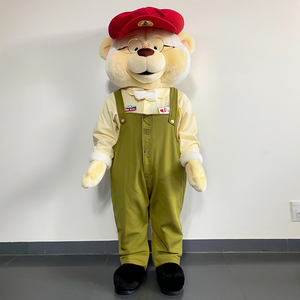
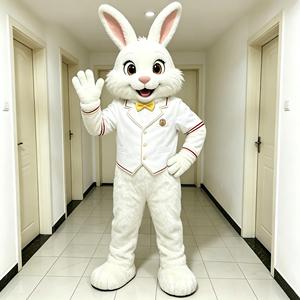
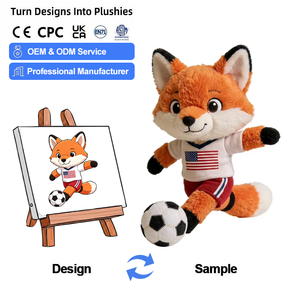
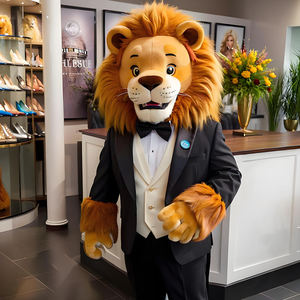
Featured OEM Mascot & Sensory Plush Solutions
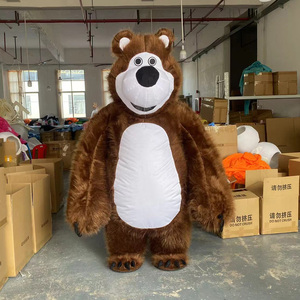
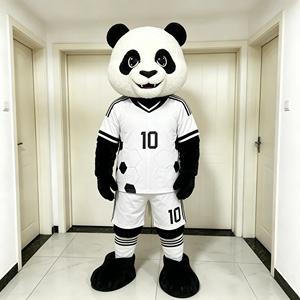
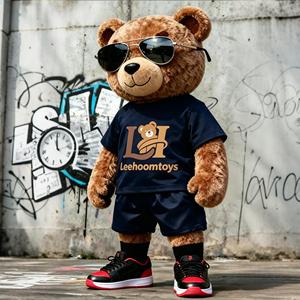
Explore our custom manufacturing capabilities—from walkable character suits to high-density tactile sensory plushies engineered to meet strict EN71 and ASTM safety benchmarks.
Executive Market Overview: The Evolution of OEM Sensory Plush Engineering
The global plush toy landscape is undergoing a dramatic structural transformation. Historically viewed primarily as basic children’s toys or promotional Novelties, custom stuffed animals have evolved into complex, specialized devices known as Sensory Plush Toys. Driven by expanding neurodivergent awareness, pediatric occupational therapy needs, geriatric mental health care, and consumer demand for emotional wellness products, sensory plush manufacturing now demands sophisticated material science, ergonomics, and rigorous international compliance.
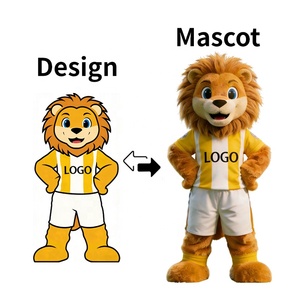
As a leading custom OEM sensory plush factory and exporter with over 30 years of operational history under The Beverly Hills Teddy Bear Company framework, we provide enterprise procurement directors, brand owners, and healthcare innovators with white-glove contract manufacturing. From initial 2D conceptual sketches to full-scale automated batch production, our facilities specialize in translating sensory integration principles into durable, commercially viable plush products.
Defining the Sensory Plush Category
Sensory plush toys are purposefully engineered to stimulate one or more human senses—tactile, proprioceptive, auditory, or visual—to induce calming effects, aid cognitive development, or assist in therapeutic interventions for conditions such as Autism Spectrum Disorder (ASD), ADHD, sensory processing disorders (SPD), and anxiety. Engineering these specialized items requires an OEM exporter to go far beyond aesthetic stuffed animal production, mandating exact material selection, non-toxic filler distribution, ultrasonic seam welding, and sensory feedback calibration.
| Sensory Category | Primary Technical Mechanism | Material / Component Stack | Target Therapeutic Outcome |
|---|---|---|---|
| Proprioceptive (Weighted) | Deep Touch Pressure (DTP) Simulation | Non-toxic glass microbeads, sealed inner poly-bags, dense virgin PP cotton | Nervous system regulation, cortisol reduction, grounding for anxiety & SPD |
| Tactile Multi-Textural | High-contrast surface sensory mapping | Ribbed velvet, high-pile sherpa, ultra-soft minky, textured silicone accents | Fidget stimulation, fine motor skill refinement, tactile desensitization |
| Auditory & Interactive | Acoustic & haptic resonance feedback | Internal crinkle paper, squeakers, low-frequency heartbeat sound modules | Auditory tracking, self-soothing, emotional co-regulation |
| Visual & Kinetic | Reversible surface & high-contrast graphics | Flip sequin matrices, embroidery detailing, contrasting color blocks | Visual focus training, mood expression, cognitive redirection |
Future Procurement & Sourcing Trends in Sensory Plush
Strategic insights for B2B buyers, supply chain executives, and brand product directors looking to future-proof their plush manufacturing pipeline over the next decade.
1. Deep Touch Pressure (DTP) & Weighted Standardization
The global demand for weighted sensory plushies is accelerating rapidly across retail and medical channels. Future procurement requires OEM factories to implement exact weight-distribution containment systems. Utilizing double-stitched interior pouch liners filled with lead-free, non-recycled glass microbeads ensures precise weight calibration (ranging from 1.5 lbs to 5.0 lbs) without compromising safety or outer cover plush softness.
2. Sustainable & GRS-Certified Recycled Materials
Global regulatory bodies and eco-conscious consumers are pushing for full supply chain traceability. Sourcing trends favor OEM manufacturers offering Global Recycled Standard (GRS) certified rPET plush fabrics and recycled polyester fiberfill. Modern sensory plush manufacturing must balance sustainability with tactile softness, utilizing advanced extrusion techniques to turn ocean-bound plastics into velvety minky fibers.
3. Embedded Smart Sound & Biofeedback Technology
Next-generation OEM sensory plush devices are integrating micro-electronics. Future-proof factories must maintain specialized clean-room assembly lines capable of housing washable, removable sound boxes, low-power Bluetooth heartbeat simulators, and tactile rhythm pulse generators. Modern exporters must navigate dual toy-and-electronics safety certifications including FCC, CE-RED, and RoHS.
OEM Quality Assurance: Strict Compliance & Manufacturing Standards
When engineering plush products intended for sensitive user groups, therapeutic settings, or mass retail distribution, compromise is not an option. A reliable custom plush OEM manufacturer must operate under an uncompromising quality management framework. Every unit produced in our manufacturing hub undergoes rigorous multi-stage quality control.
1. Material Safety & Chemical Testing Protocol
Sensory plush toys frequently experience prolonged physical contact and mouth-touching by toddlers or neurodivergent users. All raw fabrics, dyes, glass beads, and thread materials undergo third-party chemical screening prior to assembly. Production batches are verified completely non-toxic, lead-free, phthalate-free, and heavy-metal-free, complying strictly with:
- ASTM F963-17 / CPSIA: United States mandatory toy safety standard compliance.
- EN71 (Parts 1, 2, 3): European Union safety regulations for mechanical, physical, flammability, and chemical migration risks.
- ISO 8124 / AS/NZS ISO 8124: International safety standards for global export clearance.
- OEKO-TEX Standard 100: Textile safety verification guaranteeing freedom from harmful substances.
2. Structural Integrity & Mechanical Testing
Tactile and weighted plush products undergo intense mechanical strain. Our in-house laboratory subjects pre-production samples to tensile pull tests exceeding 90 Newtons (20 lbs) on small parts (eyes, noses, embellishments) and seam stress tests to prevent filler leakages. Furthermore, 100% of finished plush items pass through automated dual-head metal detectors to eliminate any possibility of broken needle fragments remaining inside the stuffed body.
The CustomPlush P.R.I.C.E. Manufacturing Philosophy
Derived from over 30 years of operational excellence with The Beverly Hills Teddy Bear Company, our factory operations are guided by five core principles:
Frequently Asked Sourcing & OEM Manufacturing Questions
Clear, authoritative answers to help procurement directors, brand founders, and importers navigate custom plush production timelines and specifications.
Transform Your Plush Concept into a Market-Leading Product
Partner with an established custom plush manufacturer trusted by Fortune 500 enterprises, therapeutic brand leaders, and global retailers. Contact our engineering team today to receive a fully transparent, itemized manufacturing quote.
Contact Us