Featured Kawaii & Commercial Mascot Plush Lines
Explore high-performance plush architecture engineered for maximum consumer sell-through, promotional impact, and rigorous global safety standards.
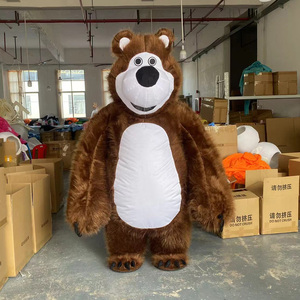
Wholesale Stock Brown Martha Bear Plush Mascot Costume (14+ Yrs)
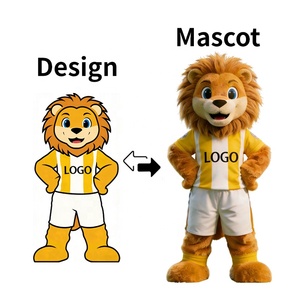
Factory Direct Custom Walkable Lion Plush Character Suit OEM/ODM
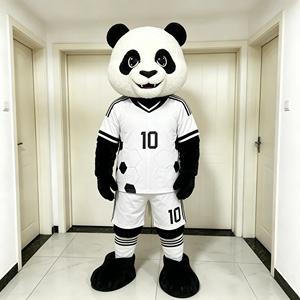
Customized Foam Mascot High-Quality Logo Anime Stuffed Plushie
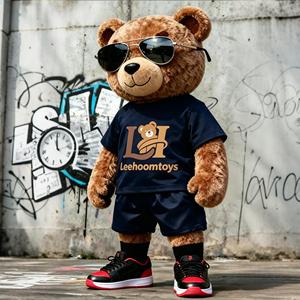
Customized Foam Cartoon Mascot Costume for Commercial Performance
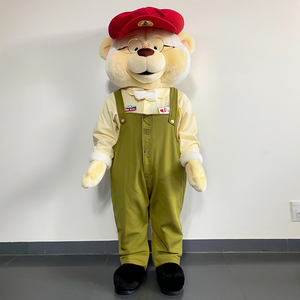
Wholesale Custom Glasses Teddy Bear Fur Plush Mascot Costume
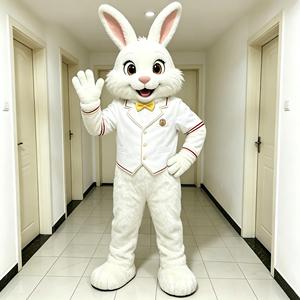
Soft Plush Adult Rabbit Mascot Costume for Outdoor Advertising
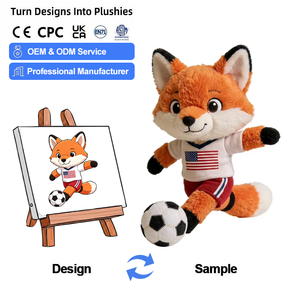
Customizable Fox Mascot Soft Stuffed Animal Promotional Plushie
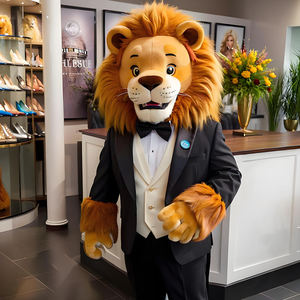
Professional Custom Soft Plush Lion & Polar Bear Mascot Manufacture
The Strategic Evolution of Kawaii Plush Procurement (2025–2030)
The global plush toy market, valued at over USD 8.5 Billion, is undergoing a structural paradigm shift. Historically categorized strictly as a juvenile toy segment, Kawaii plush procurement has evolved into a multi-demographic asset class driven by the "Kidult" economy (consumers aged 18–35). International importers, corporate buyers, and licensing conglomerates must navigate complex changes in tactile preferences, safety protocols, and supply chain integrity to secure sustainable gross margins.
Primary Procurement Shift: The Aesthetic & Tactile Standard
Kawaii design principles originate from Japanese pop-culture ergonomics: proportion-distorted features (large heads, low-set eyes, minimal mouths) combined with ultra-soft, micro-denier synthetic fibers. Global buyers no longer evaluate plush suppliers solely on unit price. Sourcing decisions now hinge on yarn-dyed fabric density (measured in GSM), seam pull-test resistance, and zero-residue poly-fill recovery rates.
Super-Soft Velboa & Plush Fibers
Modern Kawaii manufacturing relies heavily on 100% polyester micro-velboa and spandex-infused minky fabrics (280–350 GSM) providing non-shedding, hyper-tactile sensory feedback essential for retail shelf dominance.
Strict Chemical Safety Standards
Leading exporters must comply with REACH, Heavy Metals ASTM F963-17, and Phthalates CPSC mandates. Top tier factories execute in-house XRF spectrum scanning to verify non-toxic dye formulations.
High-Density Foam & Sculpting
For wearable mascots and structured plush, closed-cell EVA and high-resilience EPE foam modules replace traditional wireframes, improving ergonomics, ventilation, and wear-life for event performers.
Why Global Brands Partner with CustomPlush.com & Beverly Hills Teddy Bear Co.
With over 30 years of operational history, 15,000+ custom products developed, and direct distribution into Fortune 500 networks, our manufacturing infrastructure bridges artistic character design with industrial scalability.
The P.R.I.C.E. Manufacturing Philosophy
Our operational framework governs every OEM run: Product mastery (retail sell-through precision), Reputation (uncompromising compliance integrity), Innovation (material science & interactive modules), and Collaboration (end-to-end partner integration).
3rd-Party Certified Quality Assurance
Every bulk shipment undergoes third-party lab verification (SGS, Intertek, BV) for tension pull tests (70N standard), needle detector screening, flame retardancy, and toxicological hazard assessments before port clearance.
3-Step Rapid Prototyping Workflow
We compress traditional 12-week development cycles into a streamlined 3-step engine: 1) Detailed Transparent Quote, 2) Physical Prototype with Unlimited Revisions, 3) Mass Production & Global Logistics Delivery.
Trusted by Global Retail & Entertainment Giants
Contract manufacturing, promotional activations, and licensed merchandise partner for market leaders.

Future Plush Sourcing Trends: What B2B Buyers Must Prepare For
Navigating the next decade of plush toy manufacturing requires aligning product specifications with emerging consumer preferences and regulatory ESG metrics.
1. Recycled PET (rPET) Fabrics & Fill
Global environmental legislation is driving demand for sustainable plush textiles. Leading factories now offer 100% GRS-certified (Global Recycled Standard) rPET plush fibers sourced from recycled post-consumer water bottles, matching the softness of virgin polyester while fulfilling corporate ESG commitments.
2. Blind-Box & Mystery Plush Economics
Driven by unboxing video trends across social channels, blind-box micro plushies (typically 3" to 5" tall) are yielding high revenue density per shelf square foot. Manufacturers must master precision vacuum packing, foil wrapping, and automated assortment insertion.
3. Sensory & Interactive Audio Integration
Sensory plush featuring slow-rise memory foam filling, weighted glass-bead cores for anxiety relief, and washable, push-button voice recording modules represent the fastest-growing sub-segment in hospital, promotional, and retail channels.
Frequently Asked Procurement & Sourcing Questions
Key operational answers for supply chain managers, brand directors, and corporate purchasing officers.
What is the minimum order quantity (MOQ) for custom Kawaii plush manufacturing?
Our standard production MOQ typically starts at 1,500 to 3,000 units per design depending on character size, fabric complexity, and custom accessory requirements. For specialized mascot costumes, short-run tier production (1 to 50 units) is fully supported with customized foam-sculpting processes.
How long does the full prototyping and bulk production timeline take?
Physical prototype creation requires approximately 2 to 3 weeks following artwork sign-off. Mass production usually spans 60 to 75 days, encompassing fabric dye-lot approval, automated cutting, hand sewing, metal detection, 3rd-party lab testing, and export packing.
What safety certifications are mandatory for importing plush toys to the US and EU?
Imports to North America require compliance with CPSIA (Lead & Phthalates) and ASTM F963-17 physical/mechanical safety tests. EU imports mandate CE marking under EN71 Parts 1, 2, and 3, alongside REACH chemical compliance. All of our production lots are issued formal Certificates of Conformity (CPC).
Can you replicate custom artwork or hand-drawn sketches into 3D plushies?
Yes. Our master pattern makers translate 2D vector files, 3D renders, or simple hand-drawn sketches into precise physical plush patterns. We incorporate custom embroidery, sublimation printing, and sculpted foam to maintain exact visual fidelity to your character design.
How do you protect customer IP and proprietary character designs?
We execute strict Non-Disclosure Agreements (NDAs) prior to artwork submission. As an established OEM manufacturer with 30+ years of corporate enterprise partnerships, we maintain strict firewall protocols between brand client projects and factory toolings.