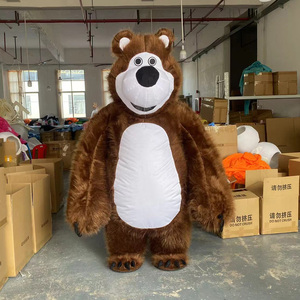
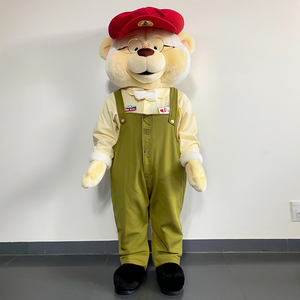
Wholesale in Stock Brown and Dark Brown Martha Bear Plush Mascot Costume for Unisex 14 Years & up Party Use
Material: Ultra-Soft Velvet Plush
Compliance: EN71 / ASTM F963
Explore top-tier, commercial-grade plush costumes and custom brand mascots manufactured under EN71 and ASTM F963 safety standards. Click below for instant wholesale quotes.
Navigating the global toy manufacturing landscape requires a rigorous evaluation framework that goes beyond unit cost. Professional buyers across retail conglomerates, amusement networks, and licensed IP brands must audit candidate factories against structural metrics: compliance governance, material safety traceability, automated cutting precision, and ethical labor standards. A top-tier plush toy wholesale manufacturer does not simply assemble fabric; they operate an engineered ecosystem designed to mitigate liability, optimize container load factors, and safeguard brand equity.
When auditing overseas manufacturing partners in hubs such as Dongguan, Yangzhou, or Vietnam, procurement directors must evaluate facility operations through four foundational audit pillars: ICTI Ethical Toy Program certification, ISO 9001 quality management alignment, Disney FAMA authorization, and C-TPAT supply chain security compliance.
| Evaluation Parameter | Tier-1 Factory Benchmark | Tier-3 Commodity Supplier | Risk Profile & Impact |
|---|---|---|---|
| Safety & Chemical Compliance | EN71 1-3, ASTM F963, CPSIA, REACH, Heavy Metal & Phthalate Free | Self-declared unverified certificates | Customs seizure, costly product recalls, severe brand reputation damage |
| Prototyping Capability | Dedicated 3D CAD patternmakers, master sculptors, 5-7 day turnaround | Outsourced basic 2D pattern cutting | Inaccurate IP reproduction, prolonged product development delays |
| Quality Control Systems | Inline needle detection (1.0mm ferrous), AQL 1.5/2.5 inspection standard | Random visual spot-check before shipping | Hazardous sharp metal fragments, inconsistent seam strength |
| Material Traceability | Virgin GOTS cotton, GRS-certified rPET, traceable batch dye lots | Mixed scrap recycled polyester fill | Fabric color bleeding, allergies, non-compliance with eco-regulations |
Always request a live video audit or a verified 3rd-party inspection report from intertek or SGS specifically verifying dual metal-detector calibration logs. Mechanical needle detection is non-negotiable for plush manufacturing targeting US and EU retail distribution.
As an official manufacturing division under The Beverly Hills Teddy Bear Company (CustomPlush.com), our enterprise heritage spans over 30 years of end-to-end toy design, OEM prototype development, and industrial-scale production. Having created over 15,000 distinct product lines for international entertainment giants, Fortune 500 promotional campaigns, and leading retail chains (including Walmart, Target, Disney, and Coca-Cola), our infrastructure is built to solve complex OEM/ODM engineering challenges.
Creating precision-engineered plushies and walk-around mascot costumes designed specifically for maximum retail sell-through, structural durability, and perfect character representation.
Transparent pricing models without hidden tooling surcharges. Absolute intellectual property protection enforced by legal NDA structures and strict factory floor security.
Pioneering eco-friendly sustainable fabrics, smart sound modules, embedded NFC chips, slow-rise plush polymers, and ultra-durable ergonomic foam frameworks for walk-around mascot suits.
Seamless integration with client design teams, offering turnkey logistics management, custom display packaging design, drop-shipping capabilities, and international regulatory clearance.
The global toy market is undergoing a seismic shift driven by changing consumer ethics, tightening environmental legislation, and technology integration. Wholesale buyers who update their procurement strategies to reflect these micro and macro shifts will maintain a decisive competitive advantage in retail shelf conversion and consumer loyalty.
European Green Deal mandates and US state-level plastic reduction laws are transforming plush toy manufacturing specifications. By 2026, over 40% of tier-1 retail plush lines will mandate **GRS-certified (Global Recycled Standard) rPET polyester** for both outer fabrics and inner stuffing. Derived from post-consumer recycled water bottles, rPET reduces carbon emissions by up to 59% during production without compromising tactile softness or seam tensile strength.
Demand for therapeutic, sensory, and anxiety-relief plush toys is accelerating rapidly across demographic segments—not just young children, but also "kidult" consumers (adult collectors and wellness enthusiasts). Key structural features include internal weighted glass beads (ranging from 1.5lbs to 5lbs), tactile sequence surfaces (such as custom flip-sequin detailing), and integrated lavender aroma-bead capsules. OEM manufacturers must maintain specialized clean-room filling areas to handle specialized weighted media safely.
The border between physical plush toys and digital entertainment experiences has dissolved. Leading brand mascots now feature embedded encrypted NFC tags or washable Bluetooth sound modules. When scanned with a smartphone, these smart plushies unlock exclusive digital content, gaming skins, or augmented reality (AR) animations. Sourcing managers must partner with manufacturing plants experienced in ultrasonic welding of internal module pockets to guarantee electronic components remain child-safe and machine-washable.
The monetization model of retail plush has been revolutionized by surprise-and-delight blind box packaging. Micro-plushies, squeezables, and mini mascot keychains packaged in custom-printed foil bags, capsules, or rigid display boxes generate higher gross margin rates per square foot of retail display. Manufacturing these lines requires strict factory lot sorting, randomized collation algorithms, and anti-tamper security seals to maintain mystery integrity prior to purchase.
International toy safety standards are continually growing more stringent. Importing plush toys into North America or the European Union requires comprehensive compliance files ready for immediate regulatory inspection. A single non-compliant dye lot or missing safety tag can result in severe customs holds, destruction of cargo at port, or multimillion-dollar consumer safety lawsuits.
• ASTM F963-17 / CPSIA (USA): Mandatory physical, mechanical, flammability, and heavy metal testing (lead & phthalate thresholds under 90ppm).
• EN71 Parts 1, 2 & 3 (EU): Mechanical properties, flammability rating, and chemical migration tests covering 19 toxic heavy elements.
• CCPSA (Canada): Surface coating limits and strict mechanical pull-test criteria for small parts (eyes, noses, buttons).
• Tracking Labels: Permanent batch tracking labels stitched directly into the product identifying production location, date, and lot code.
Our manufacturing units enforce automated laser-cutting processes to guarantee pattern consistency within 0.2mm tolerances. Furthermore, every stuffed plushie undergoes dual-pass needle detection operating at 1.0mm ferrous detection thresholds to eliminate potential internal sharp hazard risks before final carton sealing.
Here are clear answers to common questions from procurement managers, IP holders, and bulk buyers regarding custom plush and mascot production.
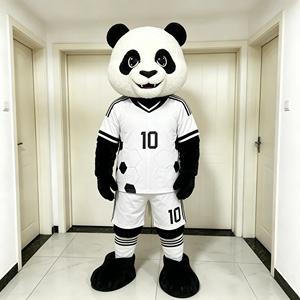
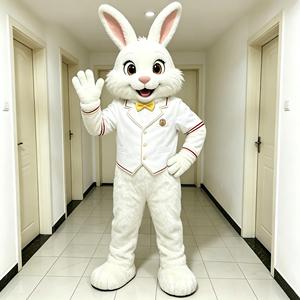
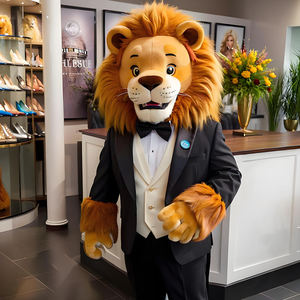
Our custom plush production MOQs typically start at 500 to 1,000 pieces per design for custom stuffed animals, depending on dimensions and material specifications. For walk-around mascot costumes (full-body character suits), we accommodate low-volume runs starting at just 1 to 5 pieces for sports teams, corporate events, and marketing campaigns.
The prototyping phase generally takes 2 to 3 weeks from artwork submission. This includes 2D-to-3D pattern drafting, fabric sourcing, and sample sculpting. Once the physical prototype is officially approved, bulk manufacturing requires approximately 30 to 45 days. Freight transit times vary from 7 days (air expedited) to 25–35 days (ocean sea freight DDP/FOB).
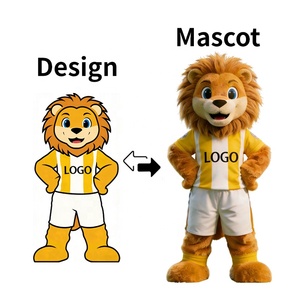
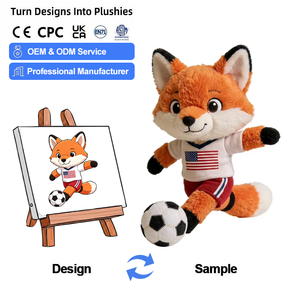
Yes! Our master design studio can interpret hand-drawn concept sketches, 2D vector illustrations, or existing 3D digital models. We translate flat images into precise multi-panel fabric sewing patterns while maintaining exact color matching via Pantone Matching System (PMS) fabric dyeing.
Every bulk manufacturing run undergoes 3rd-party laboratory testing via certified independent testing agencies such as SGS, Intertek, or BV. Products are tested for mechanical seam pull strength (torque and tension tests), flammability ratings, chemical toxicity (AZO dyes, heavy metals), and pass through double inline metal detectors before shipping.
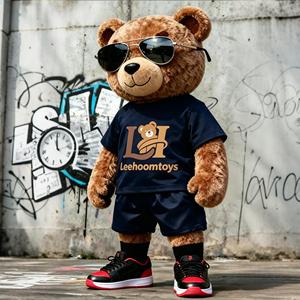
We offer full-spectrum custom branding, including high-density embroidery, silk-screen printing, woven tush tags, customized hang-tags, heat-transfer logos, custom plush clothing, voice recorder chips, and bespoke retail packaging (such as blind boxes, printed window boxes, polybags, or CDU display trays).
We execute strict bi-lateral Non-Disclosure Agreements (NDAs) prior to reviewing any proprietary artwork. All client mold tooling, CAD patterns, and artwork files are stored in secured, encrypted servers, and production runs are carried out under audited factory floor protocols to prevent unauthorized reproduction or secondary market leakages.
Partner with a proven 30-year manufacturer trusted by Fortune 500 brands, sports franchises, and global retailers. Get transparent factory pricing and expert prototyping support today.