Featured Mascot Plush & Character Costume Solutions
Explore our top-tier OEM & ODM custom plush production lines built specifically to meet the high precision aesthetic and structural standards required by Japanese commercial buyers, corporate brand owners, and IP operators.
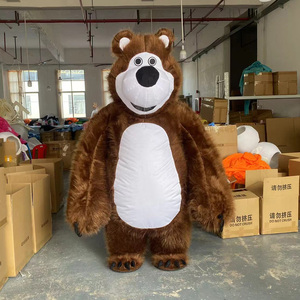
Wholesale Stock Brown Martha Bear Plush Mascot Costume for Unisex Party & Event Performance
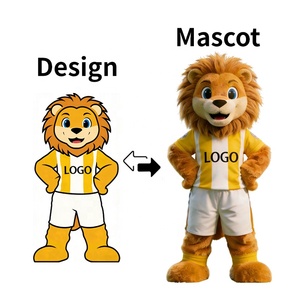
Factory Direct Custom Mascot Costume Walkable Lion Plush Character Suit EN71 ASTM Compliant
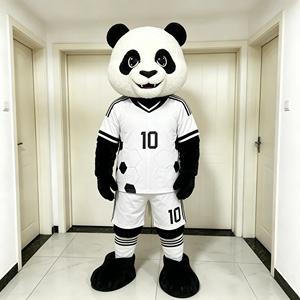
Customized Foam Mascot High Quality Plushie Company Logo Anime Stuffed Plush Toys Dolls
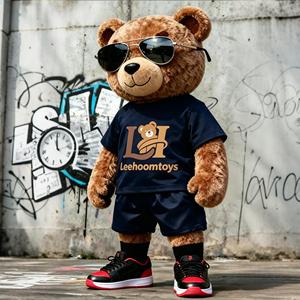
Customized Foam Mascot Cartoon Character Performance Costume Show Display Suits
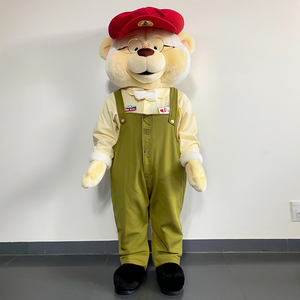
Factory Wholesale Custom Glasses Teddy Bear Fur Plush Mascot for Commercial Display
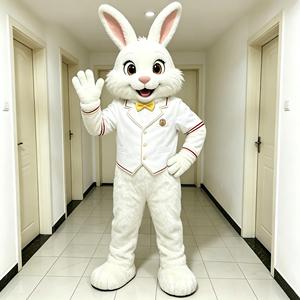
Custom Foam Soft Plush Adult Rabbit Mascot Costume Cosplay Walking Character Outdoor Advertising
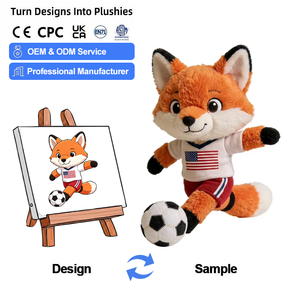
Customizable Fox Mascot Plush Toys Factory OEM ODM Wholesale Soft Stuffed Animal
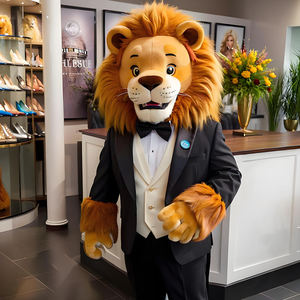
Custom Professional Cartoon Design Adult Soft Plush Lion Polar Bear Mascot Costume Manufacture
Navigating the Japanese Mascot Ecosystem: Yuru-chara, Corporate IP, & Quality Mandates
The Japanese market represents the world's most sophisticated and demanding ecosystem for mascot toys and character merchandise. Driven by the culturally ingrained phenomenon of Yuru-chara (ゆるキャラ)—regional mascot characters representing municipalities, prefectures, and public utilities—alongside corporate brand identity mascots and high-profile anime/manga intellectual properties (IP), the demand for physical character realization requires manufacturing standards that far exceed generic toy production.
For foreign and local Japanese brands, procuring mascot plush toys and walkable mascot costumes requires a manufacturing partner capable of executing flawless translation from 2D vector character sheets (Settei-shiryou) into 3D tactile forms. Japanese consumers inspect plush products with meticulous scrutiny; subtle variances in eye alignment, embroidery density, or stitch concealment can determine commercial success or brand reputational damage.
Key Procurement Insight for Japan: B2B buyers in Tokyo, Osaka, and Nagoya prioritize structural symmetry, high tactile "Mochi-mochi" softness, and strict safety compliance over raw unit cost. Establishing a direct-factory partnership with accredited OEM/ODM facilities ensures full control over materials, needle safety, and localized compliance.
Crucial Regulatory Frameworks for Japan Import Compliance
Exporting custom plush mascots into Japan demands adherence to precise regulatory and voluntary industry standards managed by Japanese government agencies and trade bodies:
ST Standard (Safety Toy Mark)
Administered by The Japan Toy Association (JTA), covering ST Part 1 (Mechanical/Physical properties), Part 2 (Flammability), and Part 3 (Chemical Safety, heavy metals, and phthalates).
Japan Food Sanitation Law
Mandatory testing for toys intended for infants under 24 months (or items likely to come into contact with mouths), enforcing zero formaldehyde and strict chemical migration limits.
Double-Pass Kenpin (検品)
Japanese-mandated 100% two-stage needle detection process using high-sensitivity conveyor X-ray machines (detecting metal fragments as small as 0.8mm).
Localized B2B Application Scenarios in the Japanese Commercial Landscape
Mascot toys and walkable character suits in Japan perform distinct commercial functions across varied trade channels. Engineering specifications must be tailored directly to the deployment environment:
1. Prefectural & Municipal PR Campaigns
Local governments deploy Yuru-chara mascots for regional tourism and agricultural promotion. Products range from life-sized breathable, lightweight walkable foam costumes for festivals to 10cm souvenir plush keychains (Ball-chain mascot dolls) sold at Michi-no-eki (roadside stations).
2. Corporate Branding & Storefront Mascots
Japanese retail banks, telecom providers (e.g., SoftBank's Shiratama), and convenience stores utilize custom plush mascots as point-of-sale displays and Gift-With-Purchase (GWP) incentives to boost customer retention and brand affinity.
3. Anime, VTuber & Gaming Merchandising
Media mix franchises require ultra-accurate replica plushie plush dolls ("Nendoroid-style" plush or "Nesoberi" sitting plushies) sold in Akihabara retail shops, pop-up events, and character cafes with strict color-matching to Pantone/CMYK character sheets.
4. Arcade Crane Game Prizes (UFO Catchers)
Amusement operators (Bandai Namco, Sega, Taito) source high-volume, cost-optimized prize plush toys (Keihin plush). These items require reinforced seams to withstand claw tension while keeping weight strictly balanced.
5. NPB & J-League Sports Mascots
Professional baseball and soccer clubs require walkable mascot suits built for high-agility athletic entertainment, equipped with high-durability EVA foam heads, internal cooling fans, and washable internal liners.
6. Educational & Healthcare Companions
Hospitals, dental clinics, and early childhood learning centers deploy anti-bacterial, washable plush companions engineered without hard plastic eyes (using 100% flat embroidery) for infant safety.
Key localized Trends & Technical Innovations in Japanese Plush Manufacturing
Staying competitive in the Japanese character market requires adopting advanced textile technology and ergonomic engineering. B2B buyers should evaluate factories based on their integration of the following trends:
1. "Mochi-Skin" Ultra-Soft Stretch Fabrics
Japanese consumer preference has shifted decisively toward tactile sensory plushness. Traditional stiff BOA velour is increasingly replaced by polyurethane-spandex blended velours (commonly referred to as "Mochi fabric" or Marshmallow plush). Manufacturing with these fabrics requires specialized tension control during stitching to prevent pattern deformation along seam lines.
2. Lightweight EVA Foam Mold Technology for Walkable Costumes
Older mascot costume construction relied on heavy glass-fiber (FRP) or carved block sponge, resulting in heat traps and performer fatigue. Modern Japanese-standard suits utilize 3D CNC router-cut high-density EVA (Ethylene-Vinyl Acetate) foam molds. This reduces head weight by up to 45% while maintaining structural integrity against impact and moisture.
3. Integrated Ventilation & Ergonomic Performance Architecture
Due to strict occupational health standards for costume performers in Japan, custom walk-around mascots are now built with integrated dual-speed 5V/12V silent exhaust fans inside the head core, powered by compact rechargeable lithium battery packs. Internal adjustable helmet harnesses ensure zero slippage during high-energy promotional dances.
4. Eco-Friendly Sustainable Plush Textiles (RPET)
Major corporate clients in Japan (listed on the Tokyo Stock Exchange / Prime Market) increasingly demand ESG-compliant merchandise. Leading factories supply 100% Recycled PET (post-consumer plastic bottles) plush velvet and GRS (Global Recycled Standard) certified polyester fiberfill without sacrificing hand-feel softness.
Technical Specification Matrix: Small Plushies vs. Walkable Mascot Suits
A side-by-side engineering breakdown illustrating structural materials, safety standards, and manufacturing parameters across product tiers:
| Feature / Parameter | Mascot Plush Dolls (10cm - 30cm) | Medium Retail Plush (40cm - 80cm) | Walkable Mascot Suits (Human Size) |
|---|---|---|---|
| Primary Application | Keychains, GWP, Anime Merchandising | Retail Store Merchandise, Prizes | Events, PR Campaigns, Sports Merchandising |
| Outer Material | Crystal Super-Soft Velour / Mochi Fabric | High-Pile BOA / Coral Plush / Velboa | Short-Pile Plush / Faux Fur over EVA Foam |
| Internal Structure | 100% PP Cotton (A-Grade Virgin Polyester) | Virgin PP Cotton + Poly-Bead Weighting | 3D CNC EVA Foam Mold + Lightweight Aluminum |
| Facial Details | Sub-micron Computerized Embroidery | Embroidery + 3D Safety Eyes / Nose | Screen Mesh Vision Port + Acrylic Molds |
| Safety Compliance | ST Part 1-3, Food Sanitation Act, EN71 | ST Standard, ASTM F963, CPSIA | Flame Retardant Fabric (BS5852 / ST Part 2) |
| Quality Control | 100% 2-Stage X-Ray Needle Inspection | 100% Metal Detector + Pull Test (>70N) | Visual Alignment + Ergonomic Load Test |
| Typical Production Time | Sample: 7 days | Bulk: 25-35 days | Sample: 10 days | Bulk: 30-40 days | Sample: 12 days | Bulk: 15-25 days |
Why Global Brands Trust Our Factory Operations for the Japanese Market
Leveraging over 30 years of manufacturing experience under The Beverly Hills Teddy Bear Company framework, our facilities bridge the gap between competitive mass manufacturing and strict Japanese quality enforcement.
P.R.I.C.E. Manufacturing Philosophy
Product: Exacting character fidelity.
Reputation: Integrity & transparency.
Innovation: Advanced textiles & 3D sculpting.
Collaboration: Direct engineering support.
Excellence: Zero-defect quality standard.
Dedicated Japanese QC Office
Our factory operates dedicated quality control protocols specifically designed to meet Japanese commercial standards. Every batch undergoes two-stage needle detection (*Kenpin*) with serialized tracking logs prior to container loading.
Strict IP Protection & Confidentiality
We maintain absolute non-disclosure protocols (NDA) for high-value anime, gaming, and corporate intellectual properties. Prototype rooms are isolated, ensuring unauthorized photos or leaks never occur.
Frequently Asked Questions (FAQ) for Japan Market Procurement
Ready to Launch Your Mascot Product Line in Japan?
Partner with an established OEM/ODM factory equipped to handle complex character designs, strict Japanese safety certifications, and flawless volume production.